

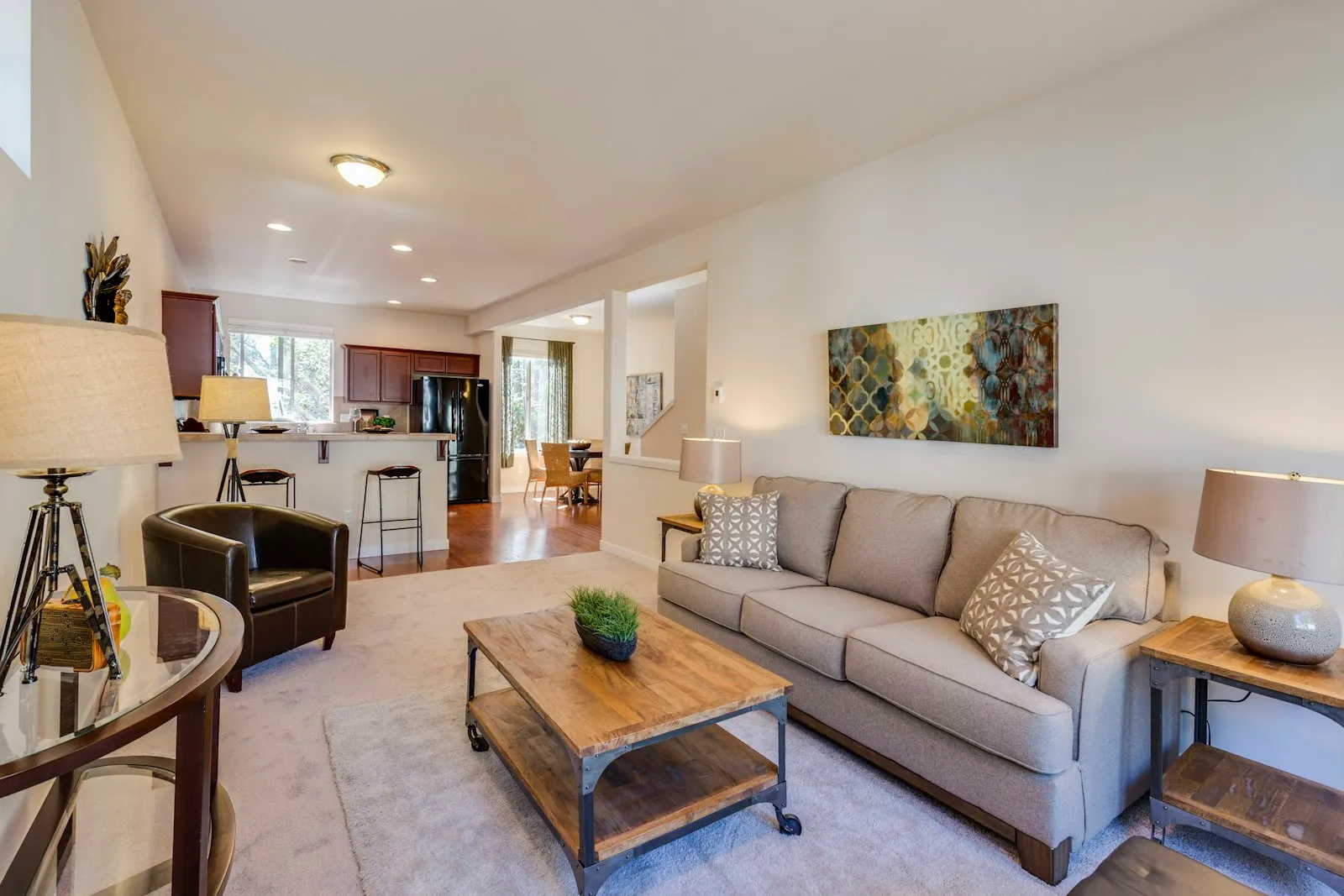
Model homes are built to sell houses. They’re staged beautifully, lit perfectly and usually loaded with upgrades. That’s fine, as long as you know that the house you’re buying may look quite different.
Here’s what I compare before a buyer signs.
1. The model vs. the written specifications
Ask the builder for the standard specifications for your plan, in writing. Then walk the model with that list and note what’s an upgrade:
- Flooring type and where it goes
- Cabinet style and height, countertop material
- Appliances
- Light fixtures and ceiling fans
- Window and door styles
- Trim, crown molding and stair railings
- Landscaping and fencing
Many buyers are surprised how much of what they loved in the model costs extra.
2. The upgrade sheet
Get the upgrade price list early and add up what you actually want. Ask:
- Which upgrades are cheaper to do now through the builder, and which are cheaper to do yourself later? Structural and in-wall items, like extra outlets, plumbing rough-ins or a larger shower, are usually easier during the build. Some finishes can be cheaper to change later.
- Is there a deadline for choosing upgrades?
- Are upgrade costs due upfront, or rolled into the price?
3. Your actual lot
The model sits on a lot chosen to show it off. Yours might be different:
- Orientation: which way do the main windows face?
- Slope: will your lot need steps, a retaining wall or a walkout basement? Who pays for that?
- Backyard size and privacy, including what’s planned behind you
- Nearby roads, power lines or future phases of the community
4. Grading and drainage
On a new lot, the ground is shaped during construction. Ask:
- How will water drain away from my house and off my lot?
- Where will the downspouts discharge?
- Is there a drainage easement or swale across the yard?
Poor grading on a new home is one of the most common and most frustrating issues to fix later.
5. The driveway and the street
- Driveway length and slope: a steep driveway can be a daily headache.
- Width: will two cars actually fit side by side?
- Sidewalks and street trees in front of your lot
6. The contract
The builder’s contract is usually written by the builder’s attorney. Read it closely, especially:
- Completion date and what happens if it’s late
- Change orders and their cost
- The builder’s warranty: what it covers and for how long, and how to file a claim
- Your right to independent inspections during the build
Consider having your own real estate attorney review it.
Buying new construction in the Charlotte region? Book a free call. Having your own agent with a builder is usually free to you, but confirm how that works with each builder.