

Some of the most useful information on a showing doesn’t come from looking. It comes from walking in the door and noticing how the house smells.
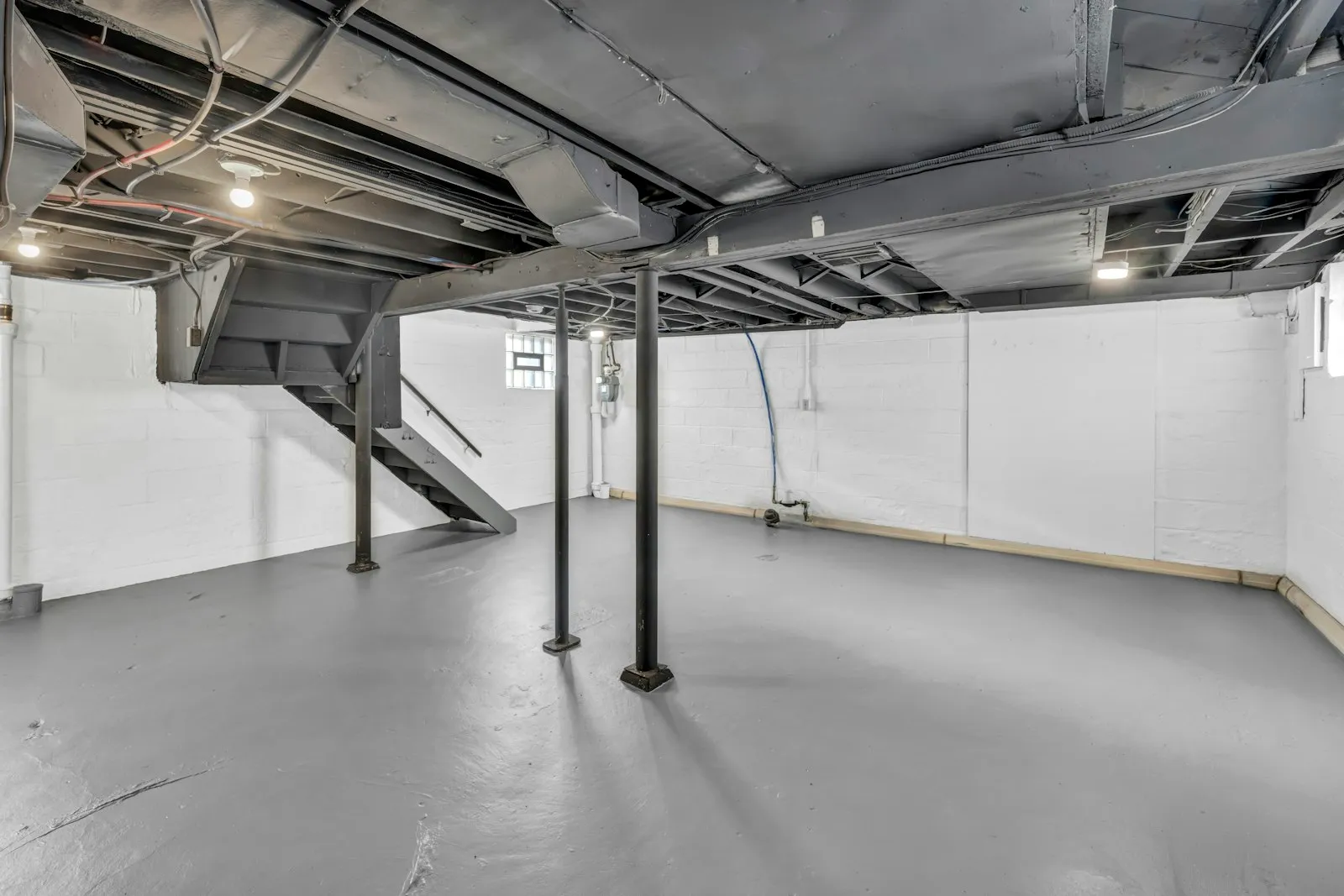
A musty, earthy smell usually means moisture, and moisture is behind many of the most expensive problems in a home. It doesn’t tell you how big the problem is, and a smell alone can’t confirm mold. It tells you where to look and what to ask.
Where I pay attention
- Lower levels and basements, especially in corners and near the floor
- Closets on exterior walls, where air doesn’t move much
- Under sinks in kitchens and bathrooms
- Near the crawl space access or the HVAC closet
- Laundry rooms, around the washer and the dryer vent
I also notice the opposite: heavy air freshener or candles in one area. That’s not proof of anything. It’s a reason to look closer in that room.
Clues you can see from accessible areas
Smell is the first clue. These are the ones that usually go with it:
- Stains on ceilings, walls or the bottom of cabinets
- Warped or swollen flooring, baseboards or cabinet bottoms
- Peeling paint or bubbling near the floor or around windows
- White, chalky deposits on basement or foundation walls, a sign that water has moved through
- Rust at the base of the water heater or on the HVAC unit
- Condensation on windows or ductwork
Stay out of crawl spaces and attics on a showing unless it’s safe and the seller allows it. Your home inspector will go there.
What I ask next
- “Has there been any water in the basement or crawl space? When, and what was done?”
- “Have there been any plumbing or roof leaks? Who repaired them, and is there an invoice?”
- “Is there a dehumidifier, sump pump or vapor barrier? How old?”
- “Has there been any mold testing or remediation? Is there a report?”
In North Carolina, sellers of most homes complete the state’s Residential Property and Owners’ Association Disclosure Statement, and on many questions they can answer “no representation.” Your agent can share the current form and explain which sales are exempt. That’s legal, so don’t treat a “no representation” as a yes or a no. Ask directly, and get answers in writing when you can.
What it changes
Moisture problems range from simple to serious:
- Simple: a slow drip under a sink, a missing dryer vent connection, a downspout dumping water at the foundation
- Moderate: high humidity in a crawl space, where the right fix depends on what a specialist finds is causing it
- Serious: ongoing water intrusion, rotted framing or widespread mold
Your home inspector can take moisture readings and check the crawl space or basement. If they find active moisture or visible mold, a qualified specialist can tell you the cause, the scope and the cost before you decide.
Want a second set of senses on your next showing in the Charlotte area? Book a free call.