

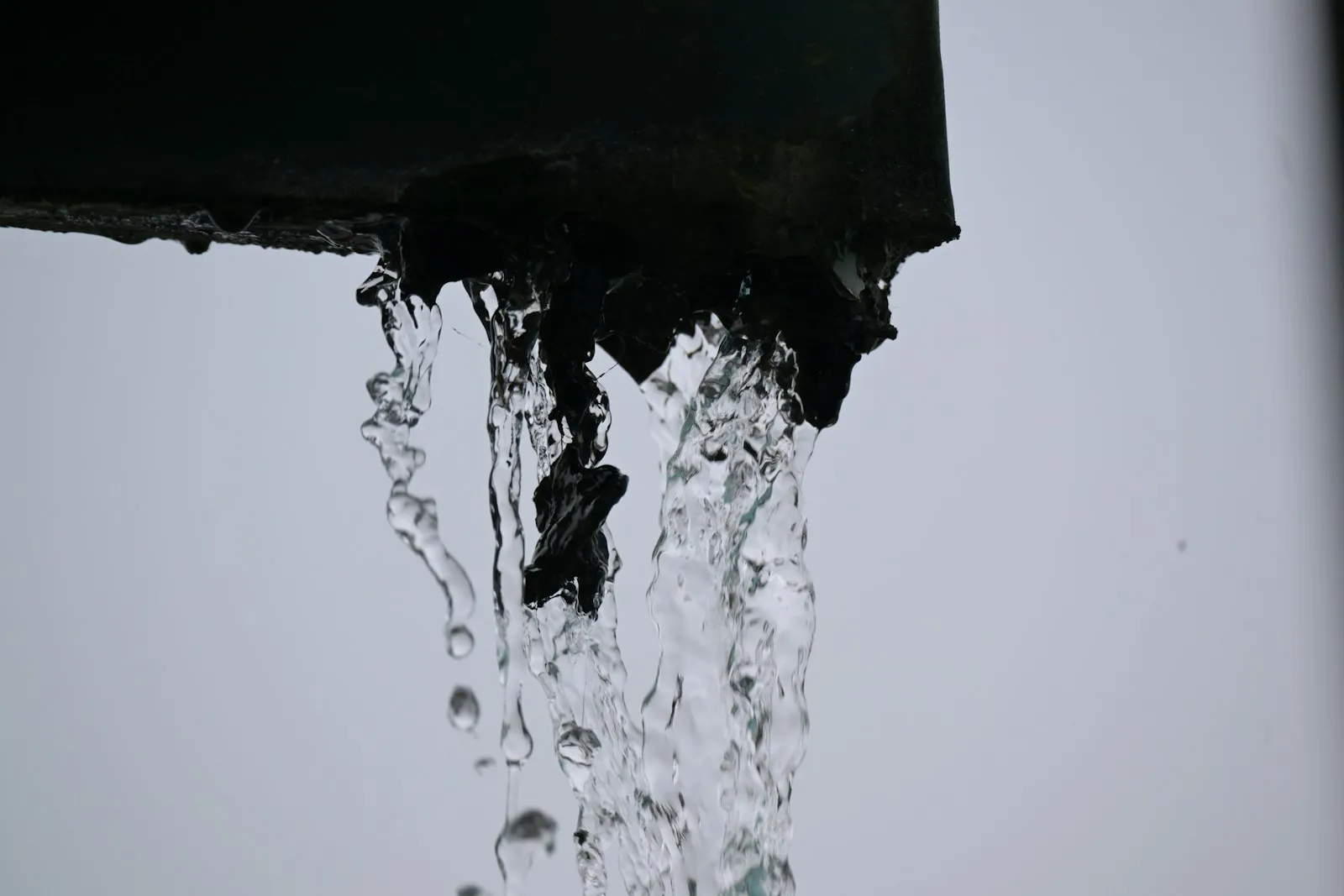
Water causes more expensive problems in homes than almost anything else. And the first place it shows up is usually not inside the house. It’s in the yard.
That’s why, on a showing, I like to walk the lot before I walk the house. It takes five minutes, and it often tells me more than the inside does.
Why the lot matters so much around Charlotte
Much of the Charlotte region sits on clay-heavy soil. Clay doesn’t absorb water quickly, so when it rains hard, water runs across the surface and goes wherever the ground sends it. If the ground sends it toward the house, it ends up against the foundation, in the crawl space or in the basement.
So the question I’m asking as I walk is simple: where does the water go?
What I look for
1. The slope next to the house
The ground right next to the foundation should fall away from the house for the first several feet. Look along each wall. If the soil or mulch is piled up against the siding, or the yard visibly tips toward the house, water is being steered the wrong way.
2. Downspouts and where they end
Follow every downspout to the ground. The water should be carried several feet away from the foundation, by an extension or an underground drain that empties somewhere sensible. A downspout that ends right at the foundation, or that has come loose, is one of the most common and cheapest problems to fix.
3. Signs that water has been there
Even on a dry day, water leaves clues:
- Bare, washed-out channels in mulch or soil
- Sediment lines or dirt splashed on the lower siding or foundation
- Low spots with patchy grass or moss
- Erosion at the corners of the house or along the driveway
4. Gutters
Look up. Sagging gutters, gutters pulling away from the fascia, or plants growing out of them mean they overflow, and overflow lands right next to the foundation.
5. Neighboring lots and the street
Notice whether the house sits lower than the lots around it or the street in front. Water from higher ground has to go somewhere.
What I ask next
When I see any of these, I ask the seller’s agent:
- “Has there ever been water in the crawl space or basement?”
- “Has any drainage work been done, like regrading, French drains or a sump pump? Is there an invoice?”
- “Is there a dehumidifier or vapor barrier in the crawl space?”
What it changes
Many drainage problems are fixable, and some fixes are simple: downspout extensions, cleaned gutters, a little regrading. What you see on a walk are clues, not a diagnosis. Some are bigger, like a lot that funnels water toward the house from the neighbors. Knowing which one you’re looking at before you make an offer lets you price it in, ask for a credit, or walk away while it’s still easy.
When a lot shows signs of serious water problems, I’d recommend having a home inspector, and if needed a drainage or foundation professional, take a look before you commit.
Thinking about buying in the Charlotte area? Book a free call and we’ll walk the lots with you.