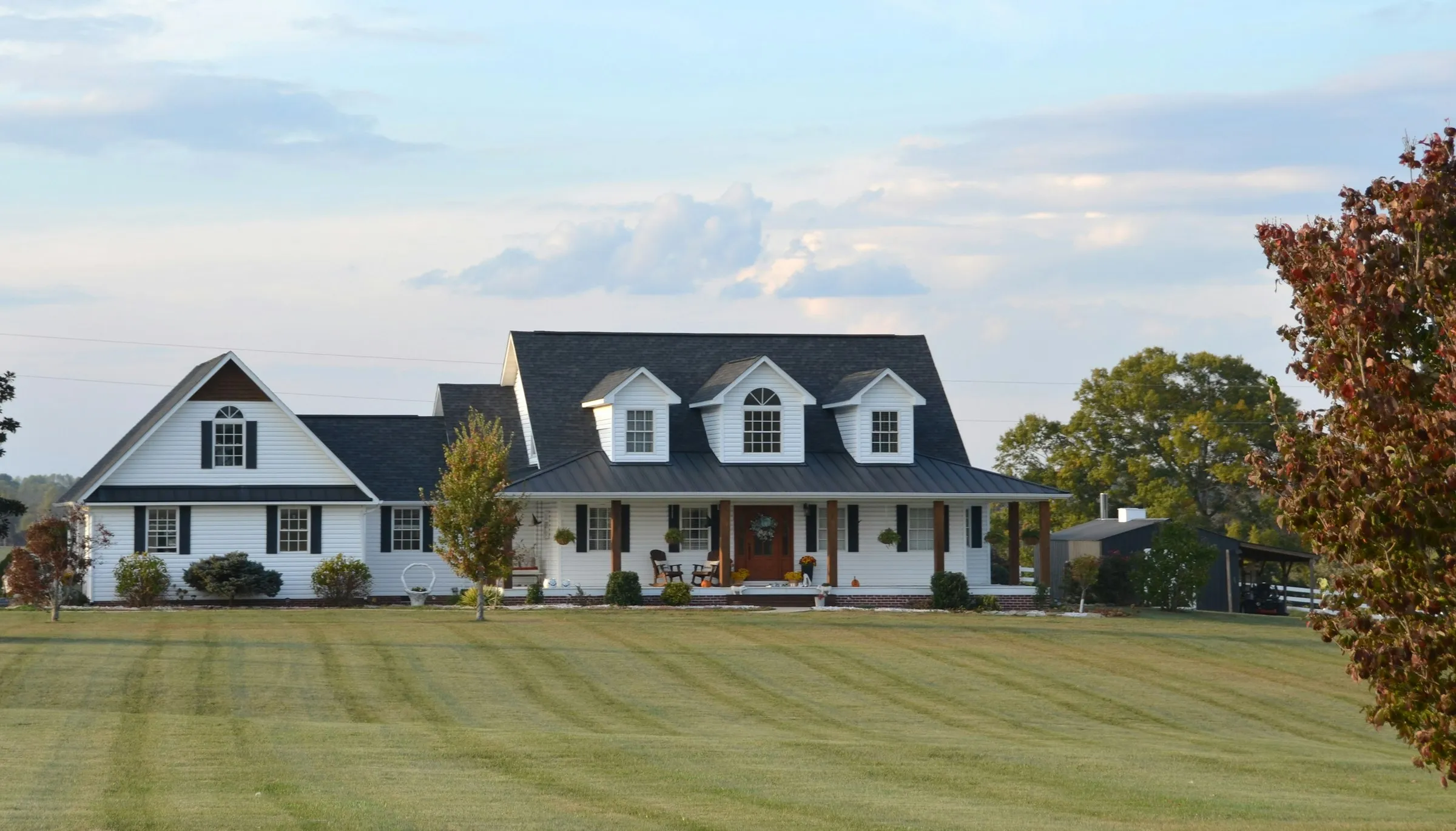

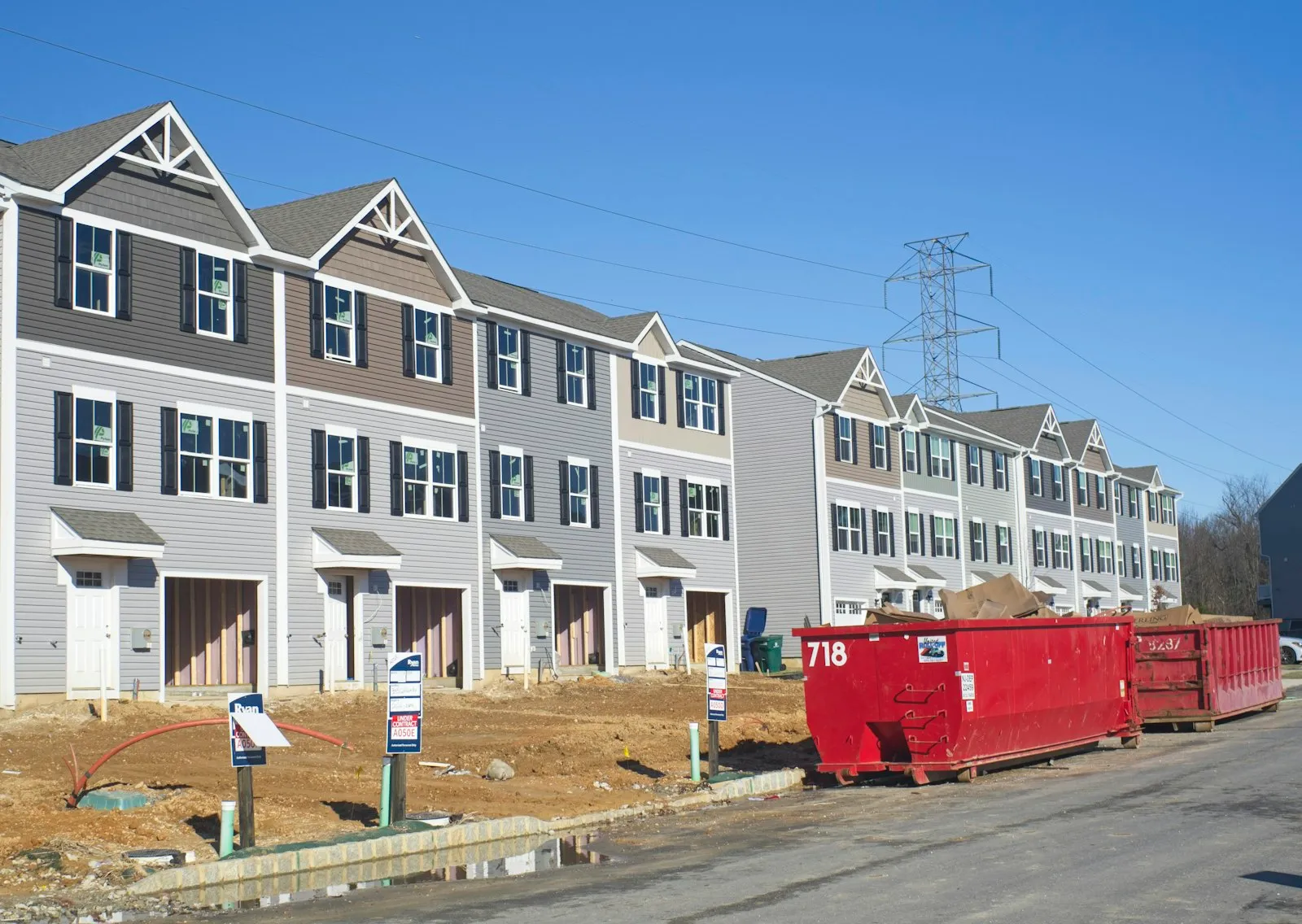
One of the biggest differences between a townhome, a condo and a single-family home isn’t the size. It’s who pays when something breaks. And the answer isn’t always what buyers assume.
Here’s how responsibilities usually split, and where to confirm them for a specific home.
Single-family home
Usually: you handle everything. Roof, siding, gutters, drainage, driveway, yard, systems, inside and out.
Possible exceptions: if the home is in an HOA, the association may handle shared areas like common landscaping, entrances, pools or private roads. Some HOAs also set rules about exterior colors, fences and maintenance standards you must follow.
Townhome
This is where it varies the most. Depending on the community, the HOA may handle:
- Roofs, or nothing on the roof at all
- Exterior siding and painting
- Front-yard landscaping, or all yards
- Shared walls between units (sometimes split between neighbors)
Or you may own and maintain your unit’s roof and exterior yourself, with the HOA handling only common areas.
Two townhome communities in the same town can work completely differently. Never assume.
Condo
Usually: you own the inside of your unit, and the association owns and maintains the building structure, roof, exterior and common areas.
Gray areas to check:
- Windows and doors
- Balconies and patios
- Plumbing and HVAC serving only your unit
- Water damage that starts in one unit and affects another
Where to confirm it
Ask for these documents early, during your due diligence period:
- The declaration (often called CC&Rs, for covenants, conditions and restrictions): who owns and maintains what
- Bylaws and rules: how the association operates and what you’re allowed to change
- The budget and reserve study, if available: whether the association is saving enough for big items like roofs
- Recent meeting minutes: upcoming projects, disputes or special assessments
- The master insurance policy summary: what the association’s insurance covers, and what your own policy needs to cover
Your agent or closing attorney can help you request them.
Questions to ask
- “Who maintains the roof, exterior, gutters and drainage for this unit?”
- “When were the roofs last replaced? Is replacement planned?”
- “Are there any special assessments planned or being discussed?”
- “How much are the dues, and what do they cover?”
- “Are there rental restrictions?” (important if you might rent it out later)
What it changes
Lower maintenance can be a big advantage, but you pay for it through dues, and you depend on the association to do the work well. A well-run, well-funded association is a plus. An underfunded one can mean special assessments down the road.
Know who handles what before you buy, and budget for both the dues and the repairs that are still yours.
Comparing townhomes, condos and houses in the Charlotte area? Book a free call.