

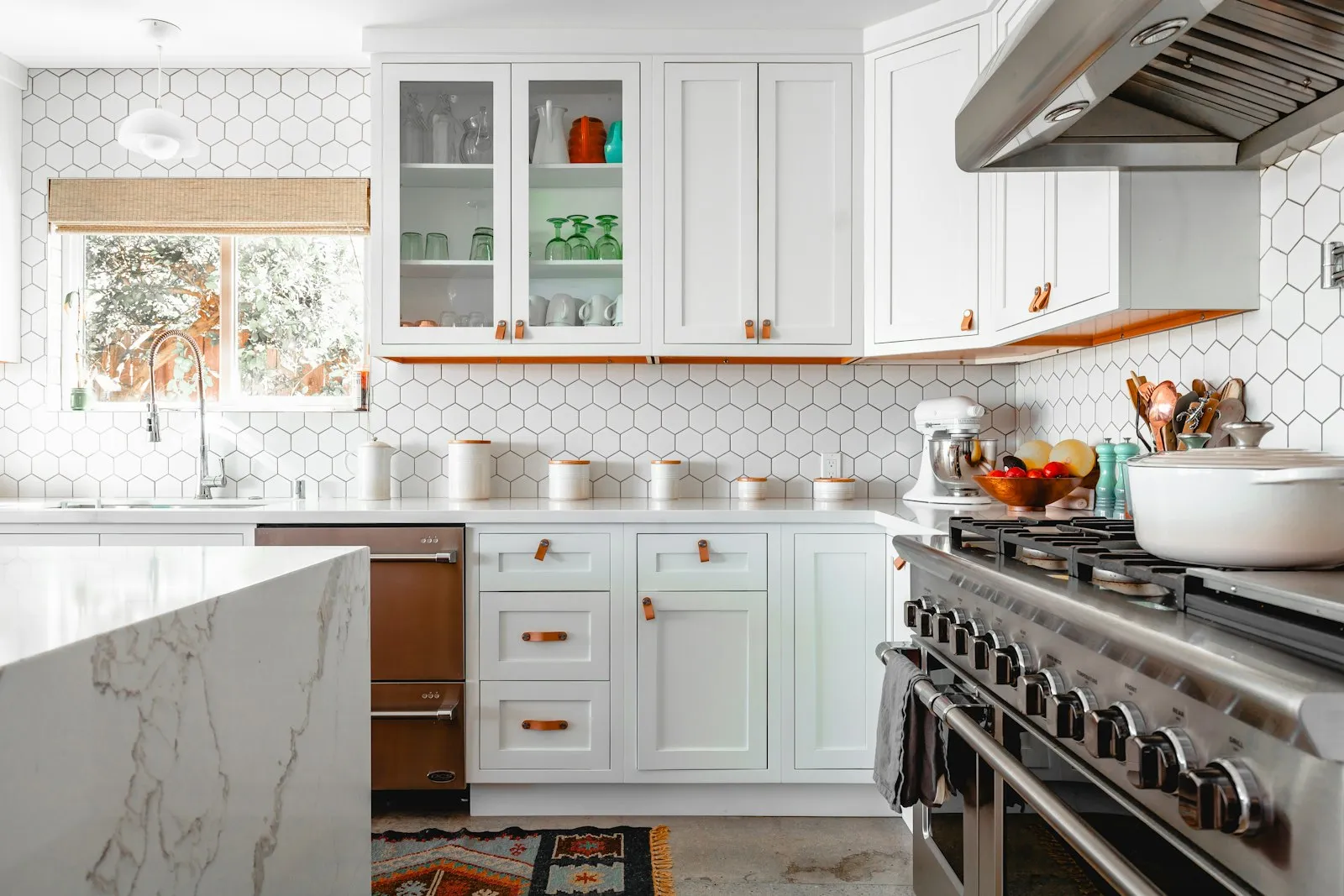
A freshly renovated house is easy to fall for. New floors, white cabinets, quartz counters, fresh paint everywhere. Some of those houses were renovated carefully. Others were renovated quickly to sell. From the listing photos, they look the same.
Here’s how I tell them apart on a showing.
What I notice first
Where the money went. A good renovation spends on things you can’t see as well as things you can. The photos show which finishes are newer. They don’t show whether the roof, HVAC, water heater or anything behind the walls was replaced, so ask for invoices. If the big systems are original, that isn’t automatically bad. It just means those costs may be yours to plan for.
The transitions. I look where new work meets old work: where new flooring meets a doorway, where new tile meets an old tub, where fresh paint meets trim. Careful renovators finish those edges. Rushed ones leave gaps, uneven heights and caulk covering everything.
Bathrooms. I look at tile grout lines, caulk around tubs and showers, and whether the floor around the toilet feels solid. A soft floor near a toilet can mean an old leak under new tile.
Fresh paint in odd places. A single freshly painted patch on a ceiling or one wall can be covering a stain. It might be from an old, fixed leak. It’s still worth asking.
The records I ask for
A renovation without paperwork is a guess. I ask the listing agent for:
- Permits for any electrical, plumbing, HVAC or structural work. In Mecklenburg County you can look up permit history for an address online. Work that should have been permitted but wasn’t is a risk you inherit.
- Who did the work: a licensed contractor, a handyman or the owner.
- Invoices and warranties for the roof, HVAC, water heater, windows and appliances.
- What was replaced versus covered up: for example, a new tub versus a tub liner, or new subfloor versus new flooring on top of old.
What still needs an inspector
A nice-looking renovation is exactly the kind of house where a full home inspection matters most. Ask your inspector to pay extra attention to:
- Electrical work in renovated kitchens and baths
- Plumbing under new sinks and behind new showers, where accessible
- Moisture readings around tubs, showers, toilets and exterior walls
- The attic and crawl space, where shortcuts are easier to hide
If the inspector finds signs of unpermitted structural changes, like a removed wall, a structural engineer should look before you close.
What it changes
A well-documented renovation with permits is worth paying for. A cosmetic flip with old systems and no paperwork can still be a good buy, but at a price that reflects the work you’ll be doing next. Knowing which one you’re looking at is the difference.
Looking at a renovated home in the Charlotte area? Book a free call and we’ll look past the paint together.