

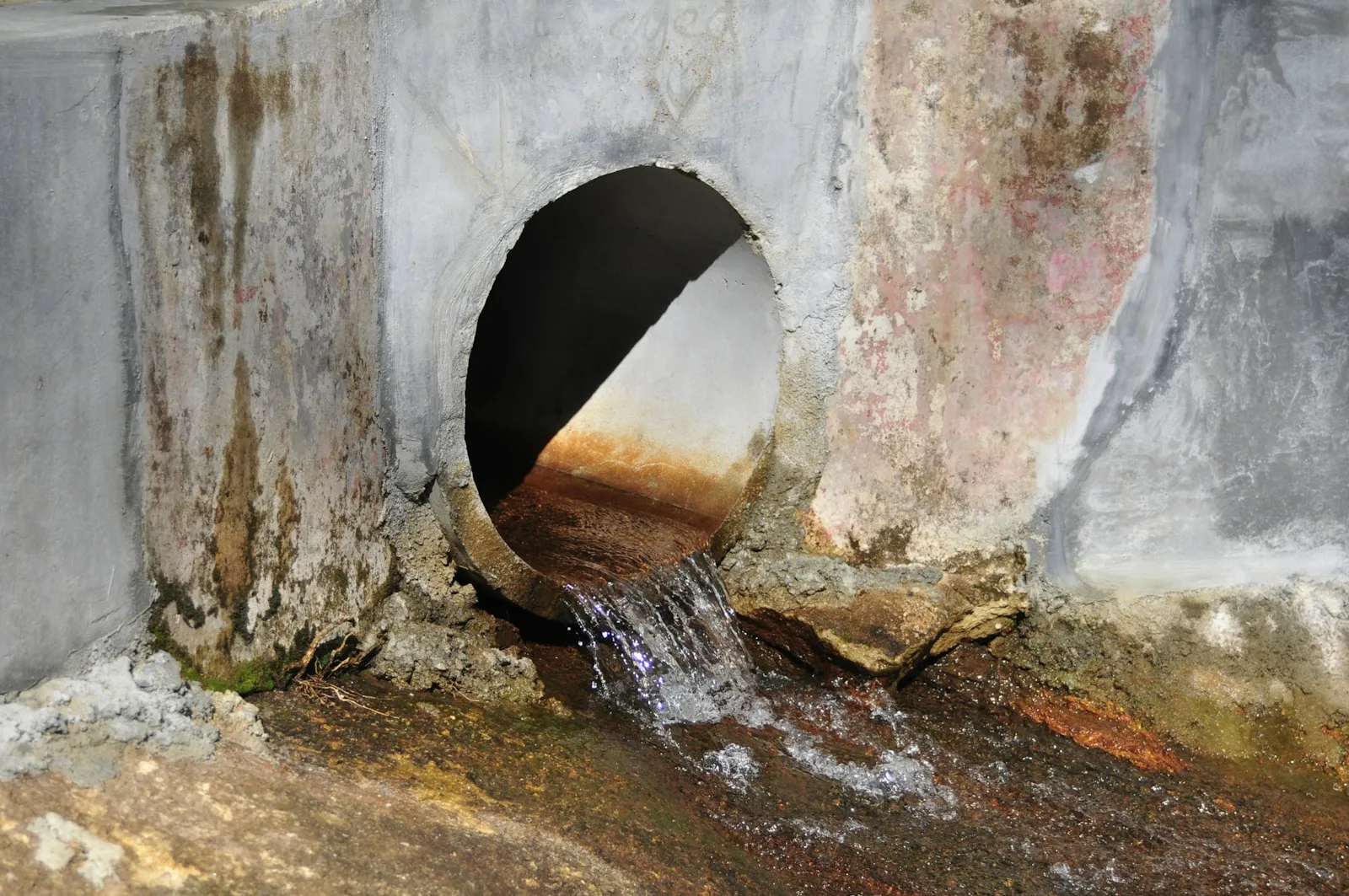
Charlotte has a lot of creeks, and the region gets heavy, fast rainstorms. Flooding can also happen outside mapped high-risk areas, and some lots simply send water the wrong way. So I check every address in FEMA’s flood maps and local maps, ask about past water intrusion, and have buyers get an insurance quote before their contract deadline.
Here’s the research I do before a buyer commits.
Step 1: Look up the address on the flood maps
Two free sources:
- The City of Charlotte’s Flooding and Maps page explains local floodplains and links to the Charlotte-Mecklenburg floodplain mapping tools.
- FEMA’s Flood Map Service Center lets you search any address for its official flood zone.
What you’re looking for:
- Is the house or lot inside a mapped floodplain? If so, your lender will likely require flood insurance, and that’s an ongoing cost to price in.
- How close is it to the edge? Being just outside a mapped zone doesn’t mean water can’t reach you.
Flood maps show risk from creeks and rivers. They don’t show a house that floods because of its own lot drainage. That’s the next step.
Step 2: Read the lot
On the showing, I look at how water moves around the house:
- Does the lot sit lower than the street or the neighbors?
- Does the ground slope toward the house on any side?
- Are there drainage ditches, culverts or a creek behind the property?
- Where do the downspouts end?
- Are there signs of past water: washed-out mulch, sediment lines on the siding, erosion near corners?
Step 3: Ask about history
- “Has the house or yard ever flooded or had standing water?”
- “Has there been water in the crawl space, basement or garage?”
- “Has any drainage work been done, like regrading, French drains or a sump pump?”
- “Is there flood insurance now, and what does it cost?”
Ask for answers in writing. The seller’s disclosure statement may help, but sellers in North Carolina can choose “no representation” on many questions, so ask directly too.
Step 4: Get a flood insurance quote early
If the house is in or near a flood zone, get a flood insurance quote during your due diligence period, not after. Premiums vary widely and can change how affordable the house is.
When to bring in a professional
If the lot shows signs of ongoing water problems, ask your home inspector to look closely at the crawl space or basement, and consider a drainage contractor or civil engineer for an opinion and an estimate.
What it changes
Most homes pass this research easily, and you buy with peace of mind. For the few that don’t, you find out while you can still negotiate a fix, price in insurance, or walk away.
Considering a home near a creek in the Charlotte area? Book a free call.