

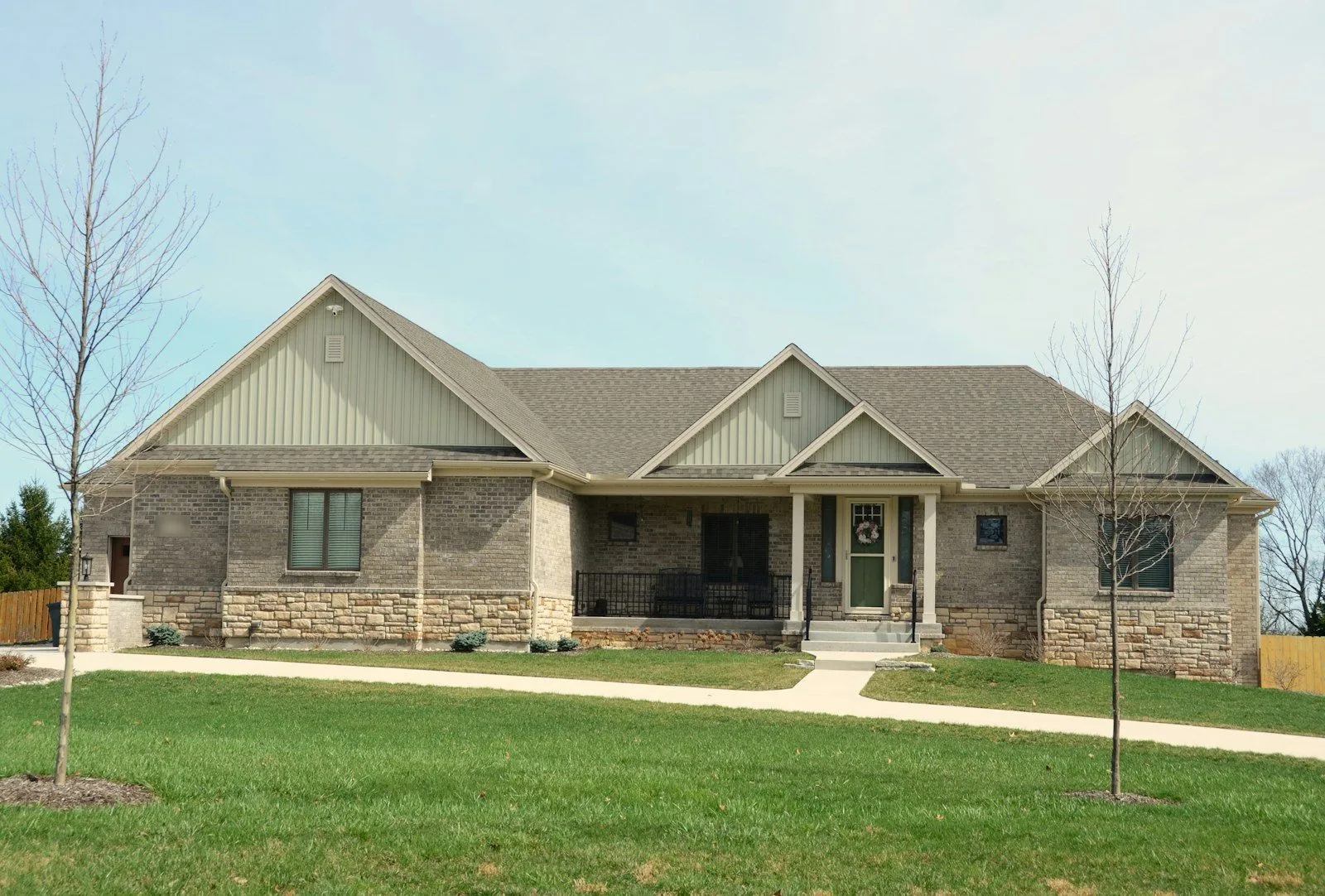
Most buyers spend the first ten minutes of a showing in the kitchen. I spend mine outside and in the corners nobody stages. It is not that the kitchen doesn’t matter. It is that the kitchen is easy to see and easy to price, and the expensive surprises usually live somewhere else.
Here is the routine I follow on almost every showing, in the order I do it.
1. From the driveway: the roofline and the ground
Before I reach the front door, I look at the house from the street.
- The roofline. A straight ridge and flat roof planes are what you want. A sag or a wave can point to an older roof, a framing issue or past water damage. It doesn’t tell you which. It tells you to ask.
- Shingles and gutters. Curling, missing or patchy shingles and granules in the gutters suggest a roof nearing the end of its life.
- How the ground slopes. The soil around the house should fall away from the foundation. If the yard tips toward the house, water is going where it shouldn’t.
What I ask next: “How old is the roof, and do you have the invoice?” Records don’t tell you the roof’s condition, but they tell you what was done and when. If the roof could affect your offer, a roofer should assess it.
2. The walk around the outside
I make one lap around the house and look at the things a listing photo never shows.
- Downspouts. Do they dump water right at the foundation, or carry it a few feet away?
- Siding and trim at the bottom. Soft or swollen wood near the ground and around windows often means water has been sitting there.
- The foundation. Hairline cracks are common. Wide cracks, stair-step cracks in block or brick, or sections that look pushed out deserve a closer look by a professional.
- The HVAC unit outside. I look for the data plate, which usually shows the manufacture date.
3. Inside: floors, doors and windows
Once I’m inside, I walk the main floor before I look at finishes.
- Floors. A noticeable slope or bounce can be nothing, or it can be a framing or foundation question.
- Doors. Doors that stick or won’t latch, especially with cracks running from the corners of the frame, can be a sign of settling.
- Windows. Fogging between the panes of double-pane windows means the seal has failed. It’s not urgent, but it’s a cost.
- Ceilings. Stains under bathrooms and near exterior walls are the first clue to past or current leaks.
4. The mechanical systems
If I can get to them safely, I check the big-ticket items:
- Water heater: the age is on the label, and I look for rust or water at the base.
- HVAC: the date on the data plate and whether the filter looks maintained. Whether a system is the right size for the house is a question for an HVAC contractor, not something you can judge by looking.
- Electrical panel: I note the brand and whether it looks orderly. Some older panel brands are worth asking an electrician about.
What I ask next: “Are there service records for the systems?” Records don’t make an old unit new, but they tell you it has been cared for.
5. The smell test
Last, I pay attention to how the house smells, especially in lower levels and closets. A strong air freshener in one room or a musty smell near the crawl space access is worth a follow-up question about leaks and humidity.
What changes because of all this
None of these checks replaces a licensed home inspection. They do three things for you before you write an offer:
- They help you rule out the wrong houses early, before you spend money on an inspection.
- They give you a rough budget for the work that’s coming, so you compare homes fairly.
- They make your offer smarter. If the roof shows visible wear, you know to ask for records and get a roofer’s opinion during due diligence, and the findings can shape your price or repair request.
Starting a home search in the Charlotte area? Plan a buyer walkthrough with Zaher and get a second set of eyes on every showing.