

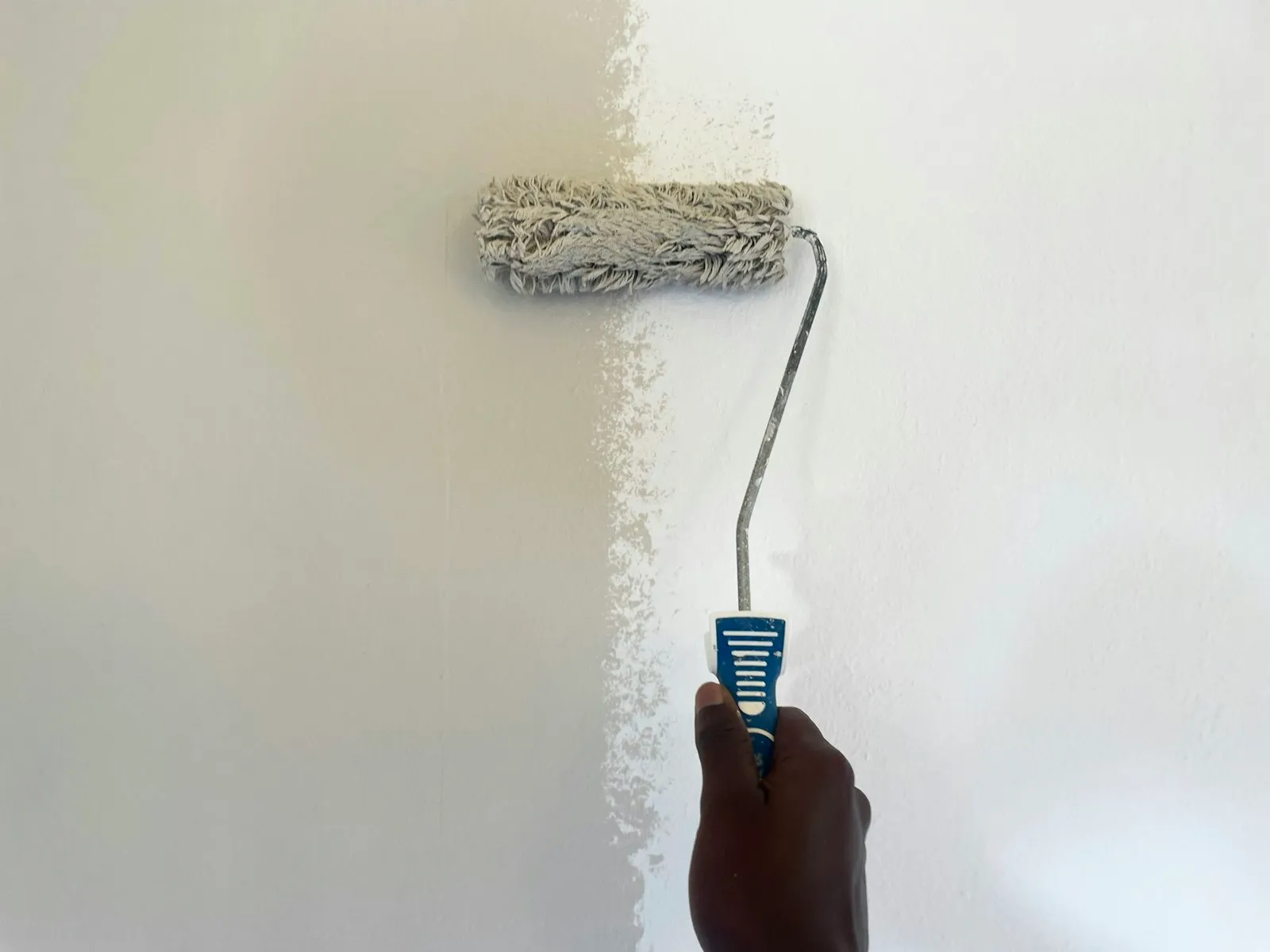
The time between tenants is short, and every day empty costs rent. It’s also the best chance to fix things properly and make the next turnover easier.
Here’s how I think through a turnover, using a clearly labeled sample.
Step 1: Document the move-out
Before anything else:
- Walk every room and compare with the move-in condition report and photos.
- Photograph everything, especially damage beyond normal wear.
- Note what’s normal wear (faded paint, light carpet wear) and what’s damage (holes, stains, broken fixtures).
That record matters for the security deposit and for planning work.
Step 2: Sort the list
I sort every item into three groups.
Repair
Things that work but need attention:
- Patch nail holes and small drywall damage
- Adjust doors and cabinet hinges
- Recaulk tubs, showers and sinks
- Fix dripping faucets and running toilets
- Clean or replace HVAC filters, test smoke and CO detectors
Replace
Things that are worn out or broken:
- Damaged blinds, screens or light fixtures
- Stained or torn carpet past repair
- Broken appliances, or ones near the end of their life
- Water heater, if it’s old enough that a failure during the next lease is likely
Upgrade
Changes that reduce future maintenance, not just make it look nicer:
- Carpet to durable, water-resistant flooring in high-traffic areas
- One standard paint color for the whole house, so touch-ups match
- Standard fixtures and hardware that are easy to replace
- Washer pan and drain for upstairs laundry
- Leak sensors near the water heater and under sinks
- LED bulbs throughout
A sample turnover
Hypothetical example, for illustration only: a three-bedroom home after a four-year lease.
- Repair: patch walls, touch up paint, recaulk two bathrooms, fix one running toilet, service the HVAC
- Replace: carpet in the living room and hallway, two broken blinds, the dishwasher
- Upgrade: put durable flooring in the living room and hallway instead of new carpet; add leak sensors under the sinks and by the water heater
The upgrade costs more now than new carpet. It should last much longer, and it shortens the next turnover.
Step 3: Order the work
- Repairs that need trades: plumbing, electrical, HVAC
- Drywall and paint
- Flooring
- Deep cleaning
- Final walkthrough and photos for the listing
Step 4: Update the records
Note what was done, when, and by whom, with receipts. It feeds your replacement plan and makes the next turnover faster.
What it changes
A turnover done as “fix what’s broken” gets the house rented. A turnover done with an eye on the next five years gets it rented and costs less every time after.
Own a rental in the Charlotte area? Ask about our property management.